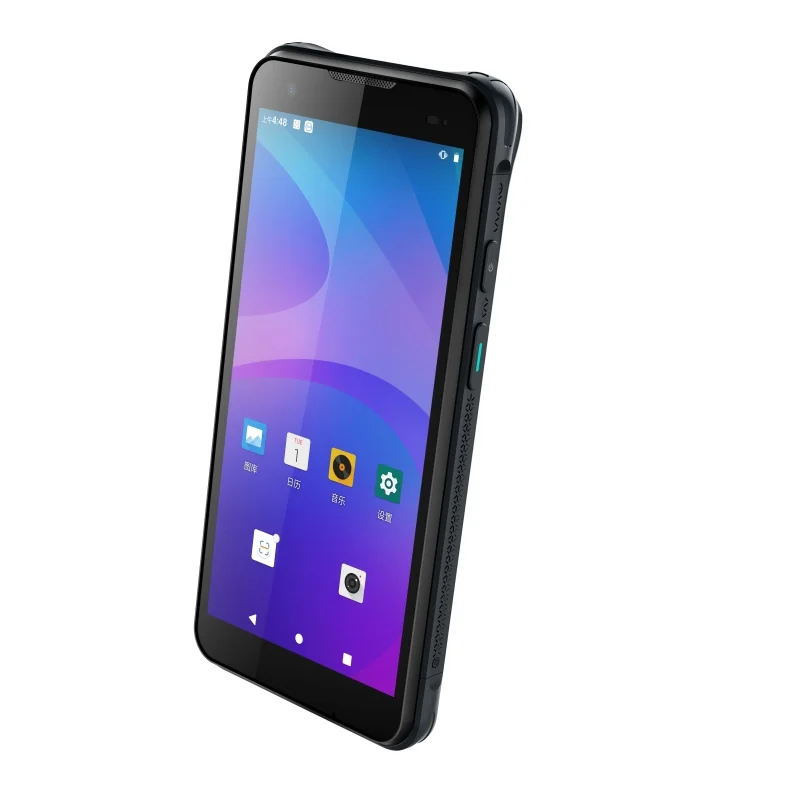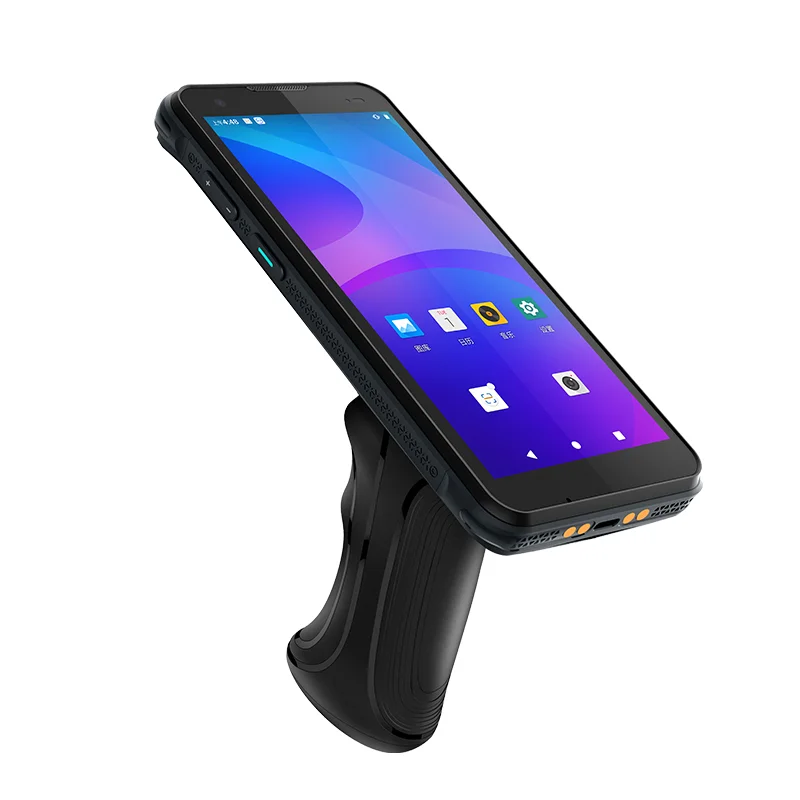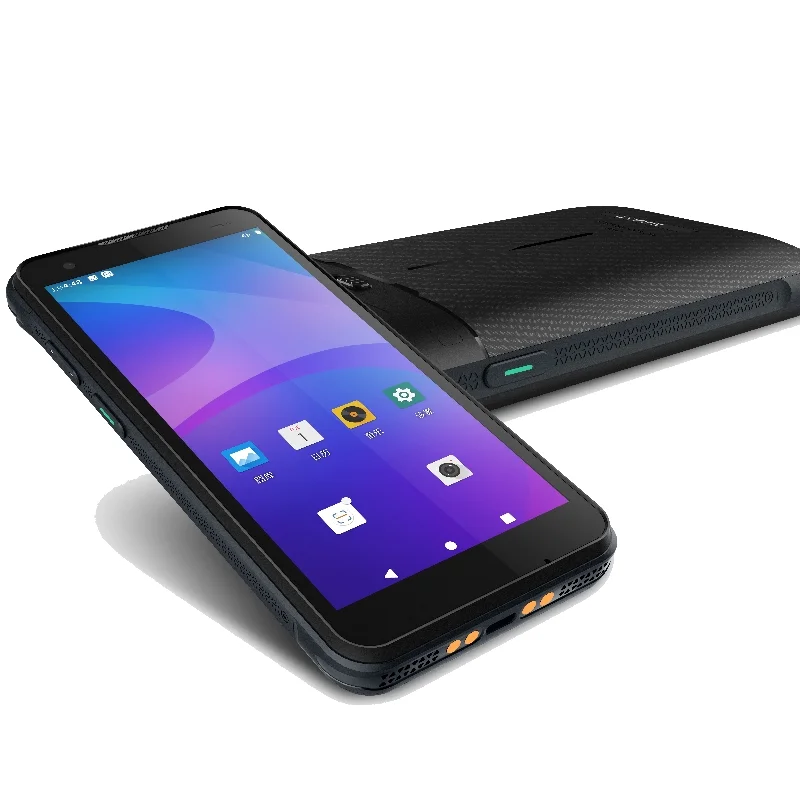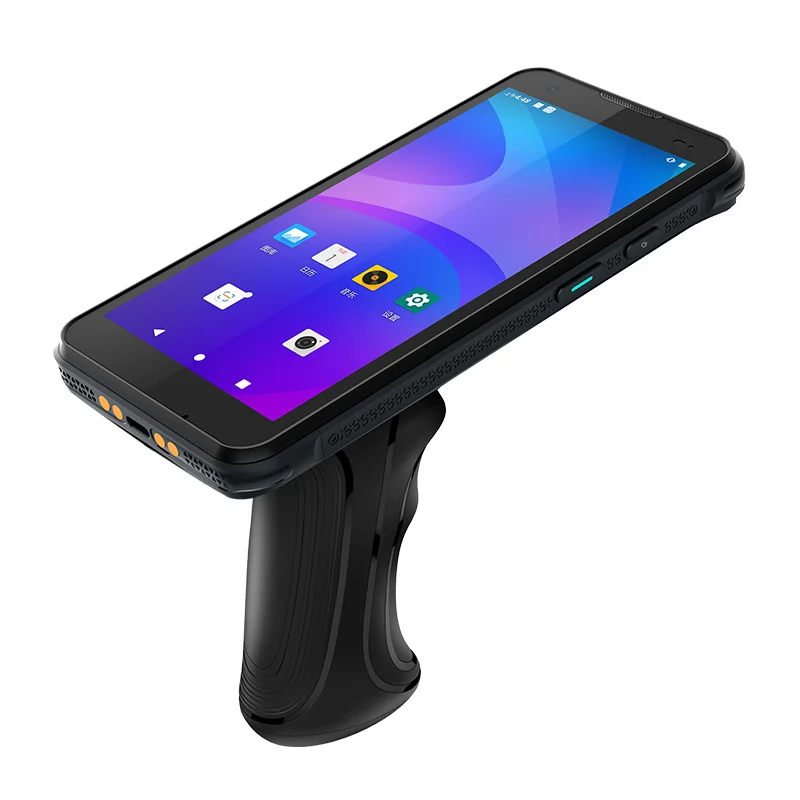
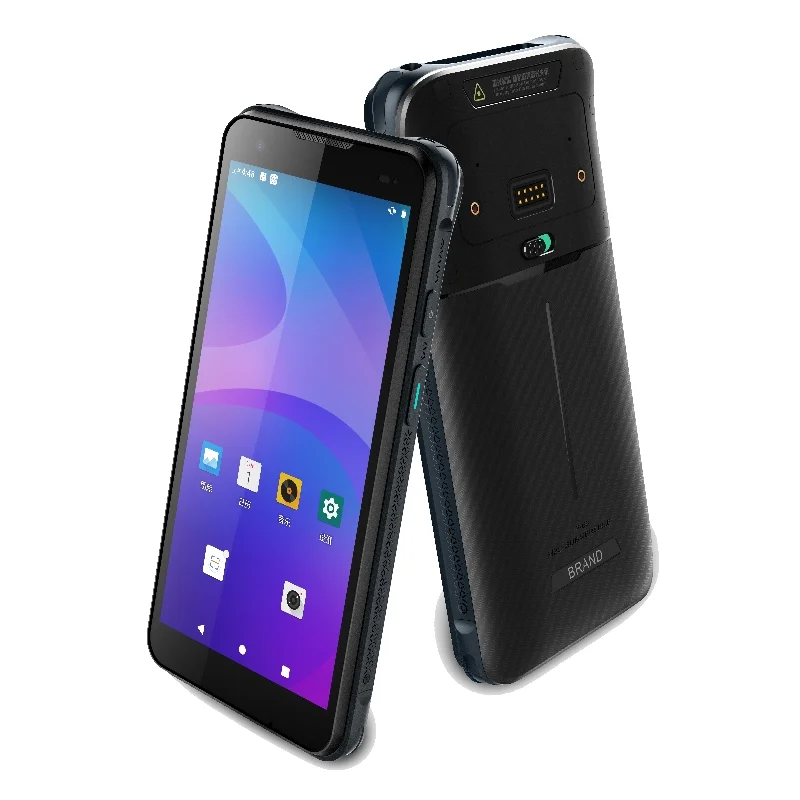
Handheld Data Terminal Display Integration
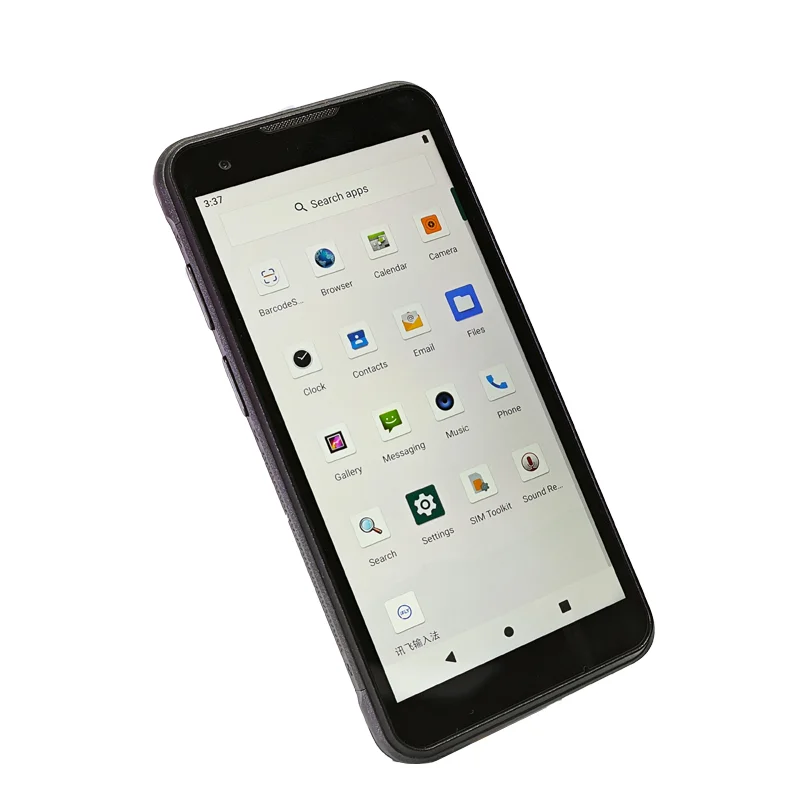
A portrait handheld terminal brings records, touch input and physical controls into one compact workspace. Explore the display decisions behind that format.
Read application case
Review display module integration for handheld terminals, including compact size, touch and cover lens, interface, FPC and readability requirements.
Explore device integration, receiving, picking, retail stock checks, asset lookup and other display workflows.
A portrait handheld terminal brings records, touch input and physical controls into one compact workspace. Explore the display decisions behind that format.
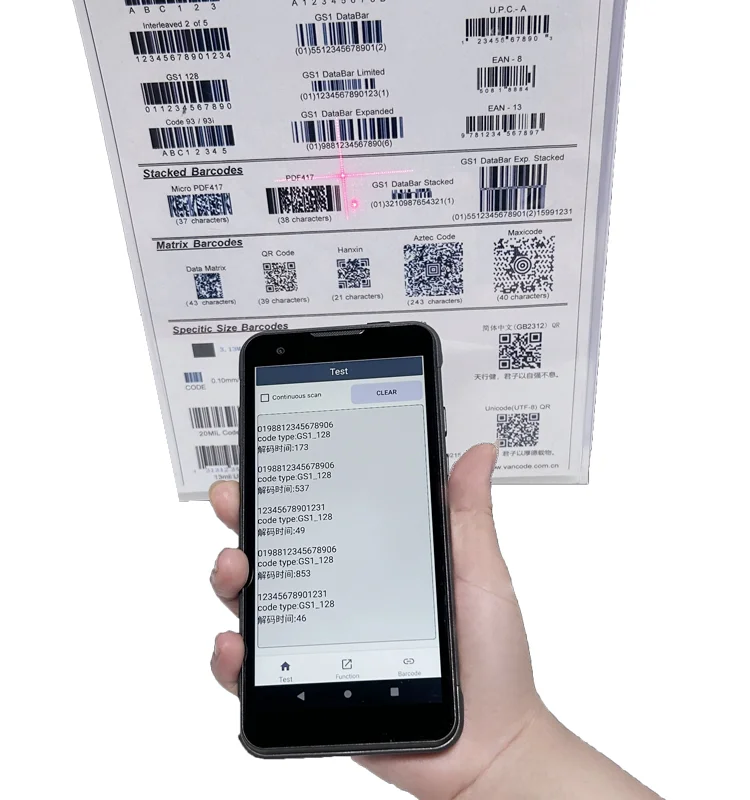
Read application caseA photographed barcode-reading workflow shows why scan feedback, readable records and coordinated touch controls matter in a handheld display project.
Read application caseReceiving teams compare incoming goods with an expected record. A handheld display must keep item identity, quantity and exception decisions clear in the same workflow.
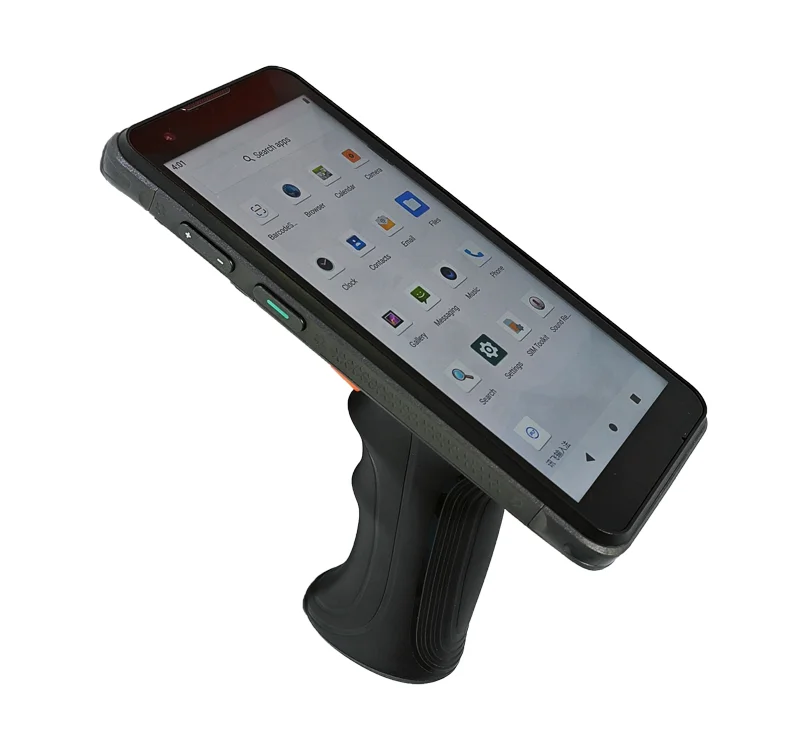
Read application caseA picking terminal needs to distinguish the next location, the requested item and the confirmed quantity. Trigger-grip photographs anchor a review of that scan-and-confirm sequence.
Read application caseShelf checks combine item lookup, stock counting and label review. A handheld display needs to separate recorded information from the changes a store operator is about to confirm.
Read application caseParcel handover depends on matching an identifier to the correct destination and event. The display review focuses on legible codes, explicit status and recoverable exceptions.
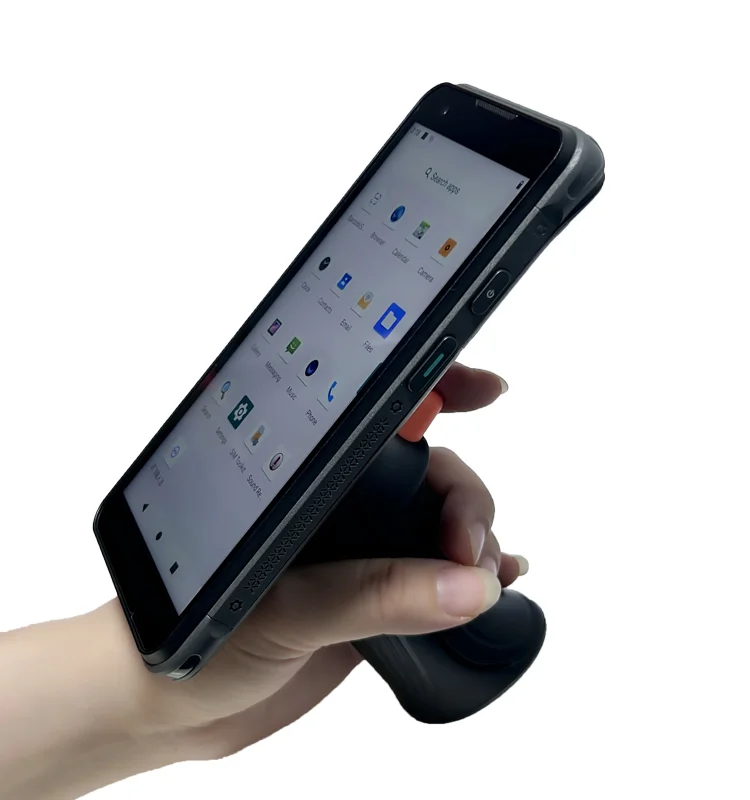
Read application caseAn asset lookup terminal must distinguish the object being identified from the record being edited. Accessory-equipped device views support a review of candidate lists and confirmation screens.
Read application caseInspection work combines asset context, checklist results and service notes. A portable display should keep the current inspection step and record status clear during entry and review.
Read application caseA production record links a part or batch to a work order and process step. The display must keep these identities separate and make a pending record distinguishable from a confirmed one.
Read application caseReview display outline, resolution, interface, touch stack, brightness, FPC orientation and the host enclosure together before sample evaluation.
Explore R2 Handheld Terminal display integration. Review enclosure, touch and interface requirements for your project.
Open record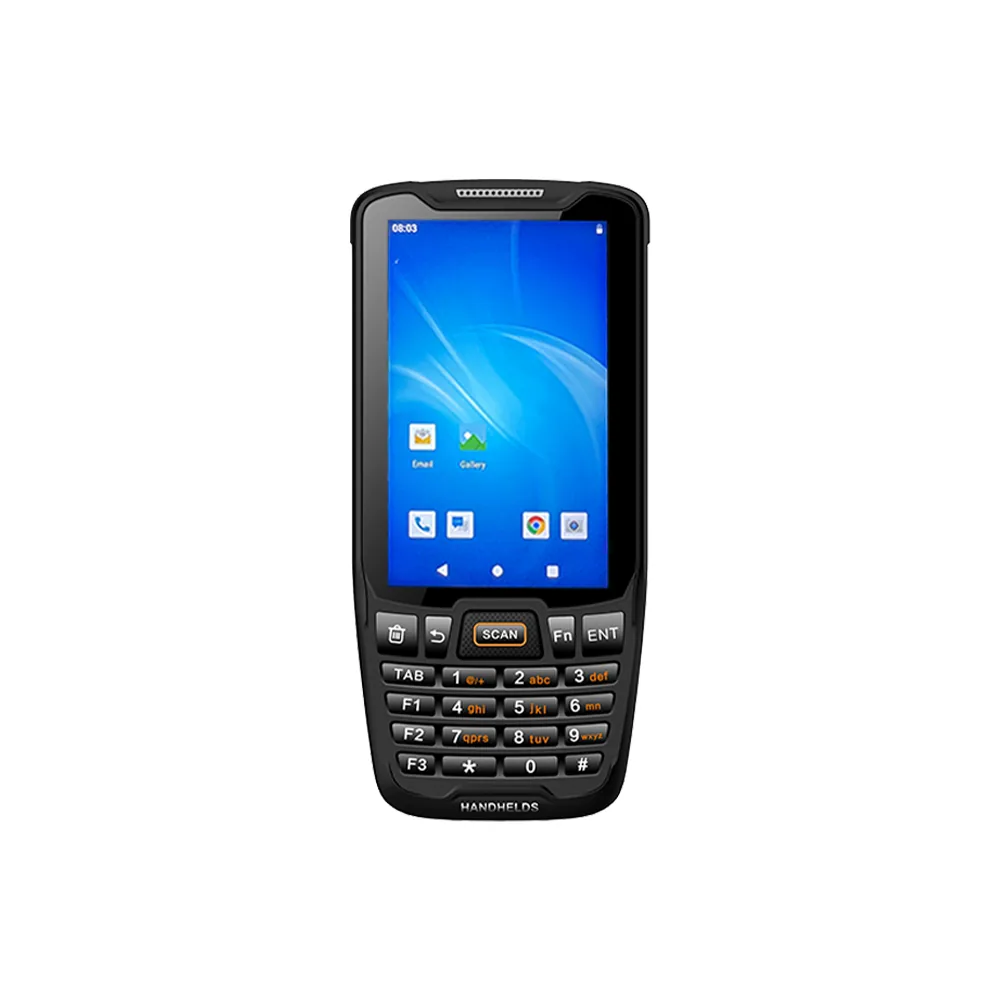
Explore R350C Handheld PDA display integration with a published 4″ display. Review enclosure, touch and interface requirements for your project.
Open record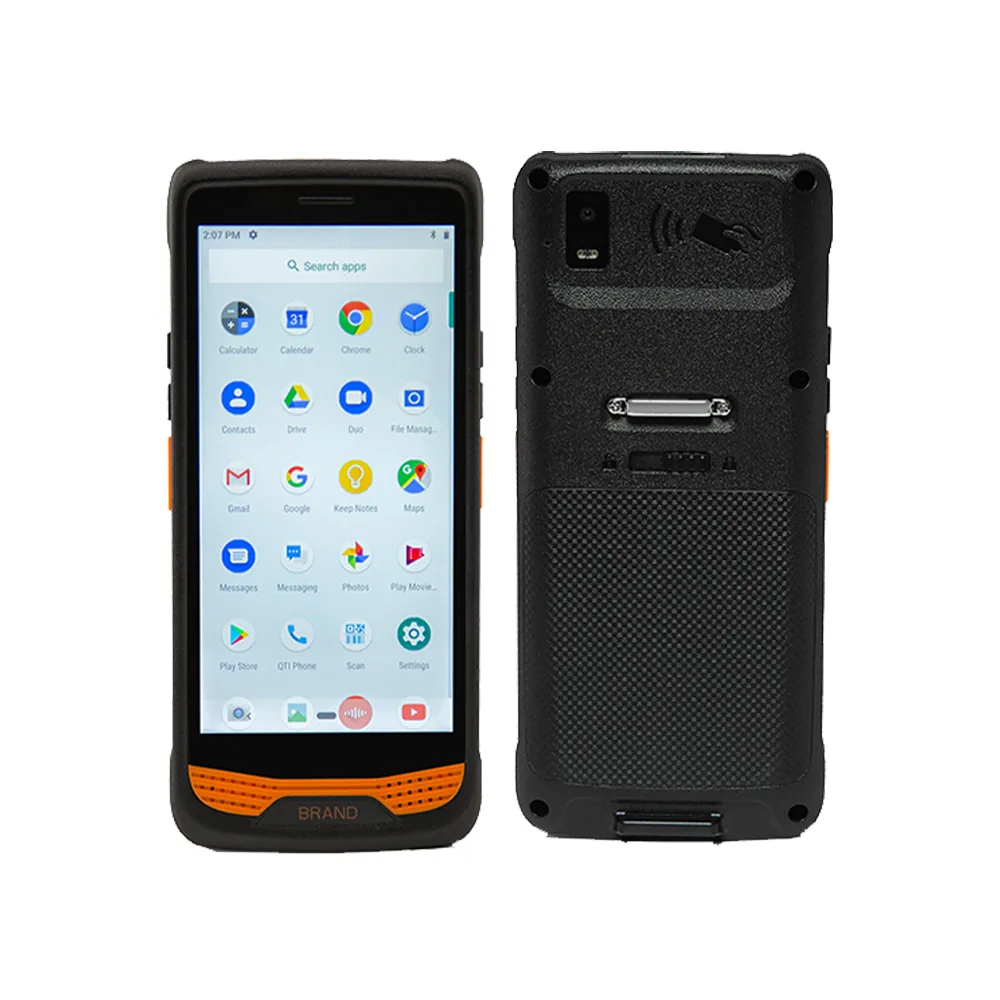
Explore R366-S Handheld PDA display integration with a published 5.5″ display. Review enclosure, touch and interface requirements for your project.
Open record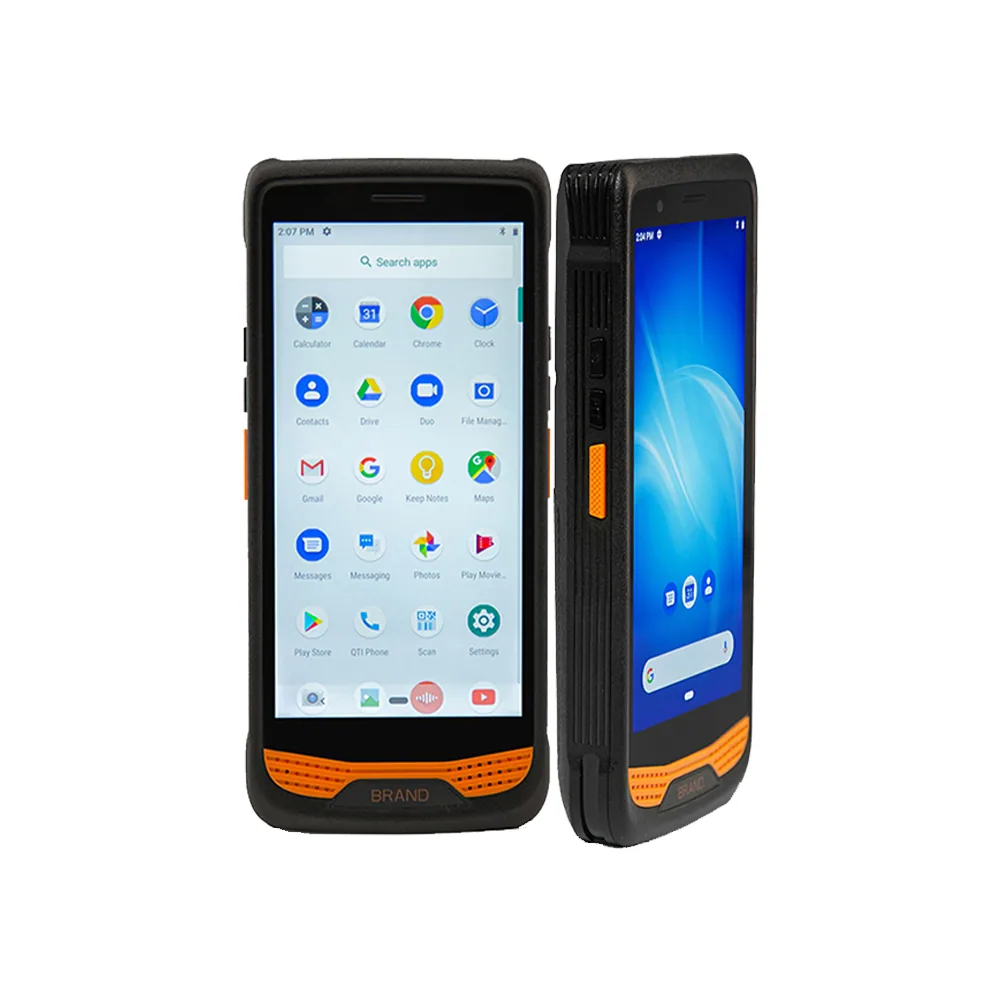
Explore R366A-S Handheld Terminal display integration with a published 5.5″ display. Review enclosure, touch and interface requirements for your project.
Open record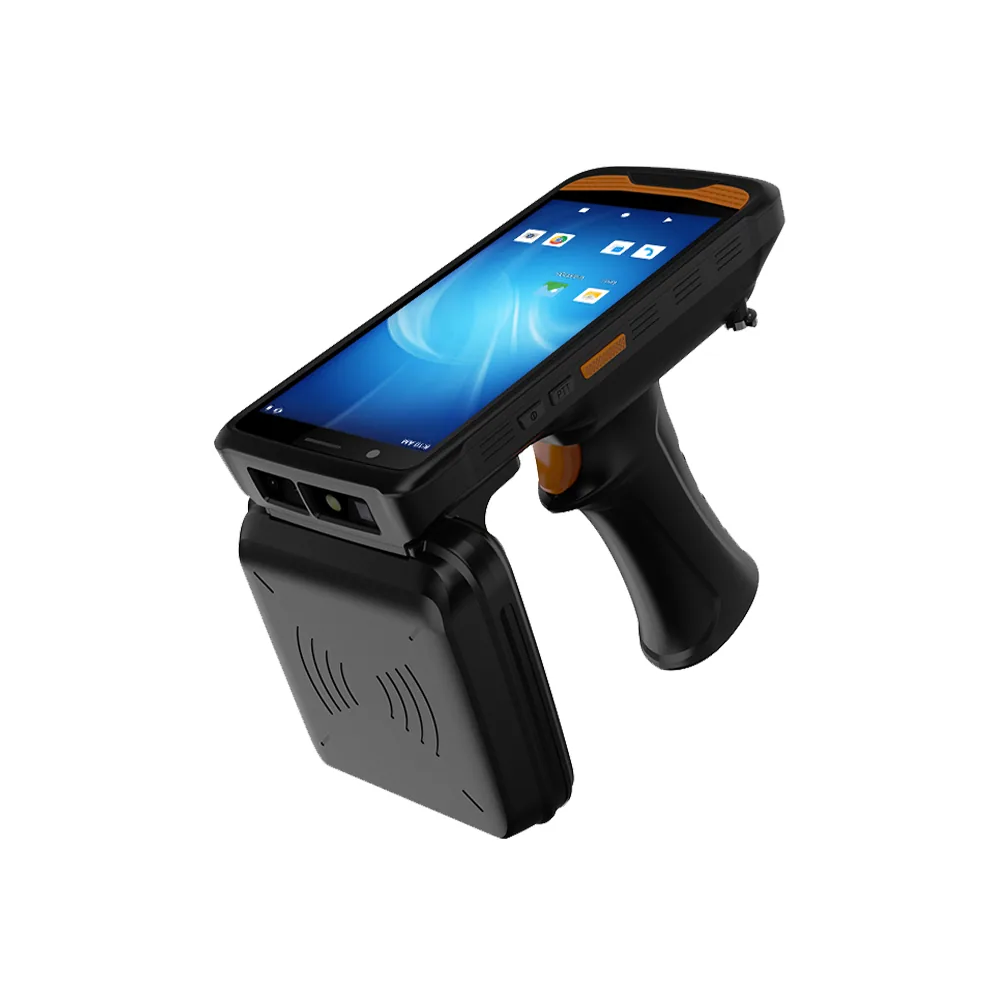
Explore R366C-S Handheld Terminal display integration. Review enclosure, touch and interface requirements for your project.
Open record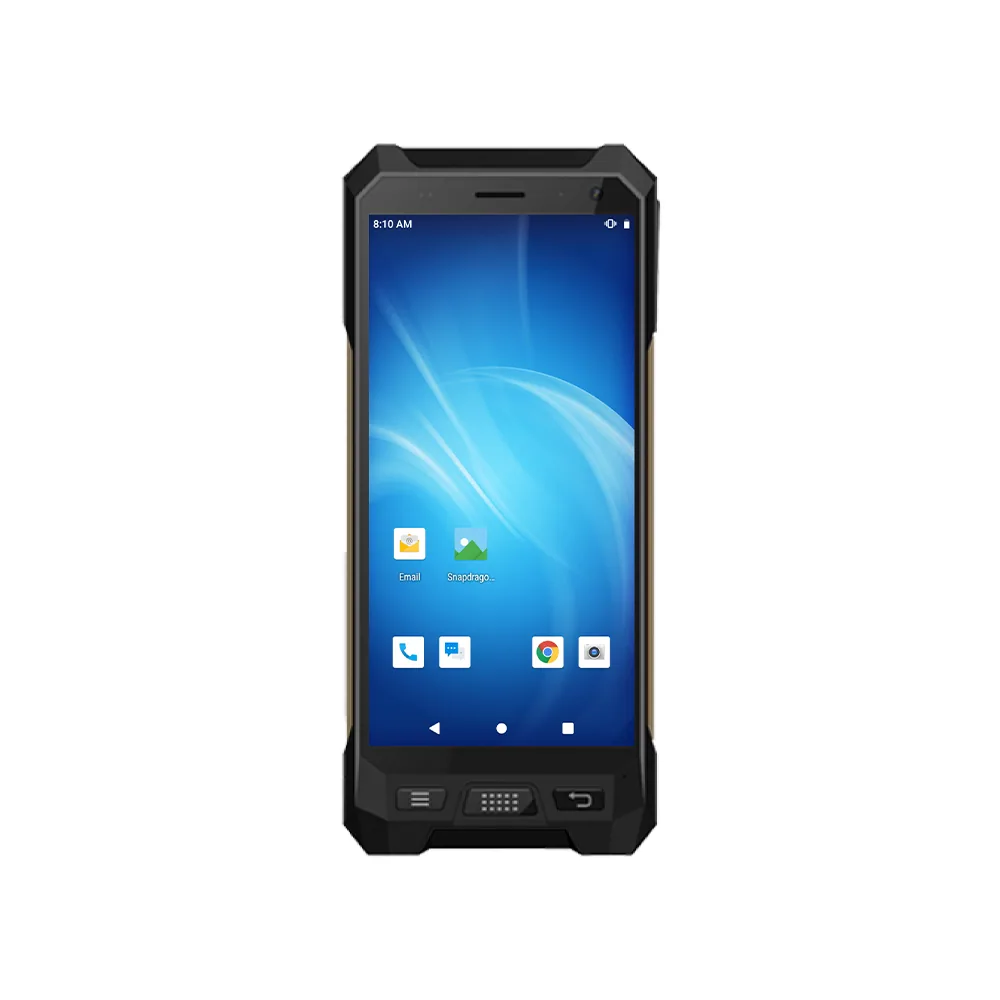
Explore R530C Handheld PDA display integration with a published 6.0″ display. Review enclosure, touch and interface requirements for your project.
Open record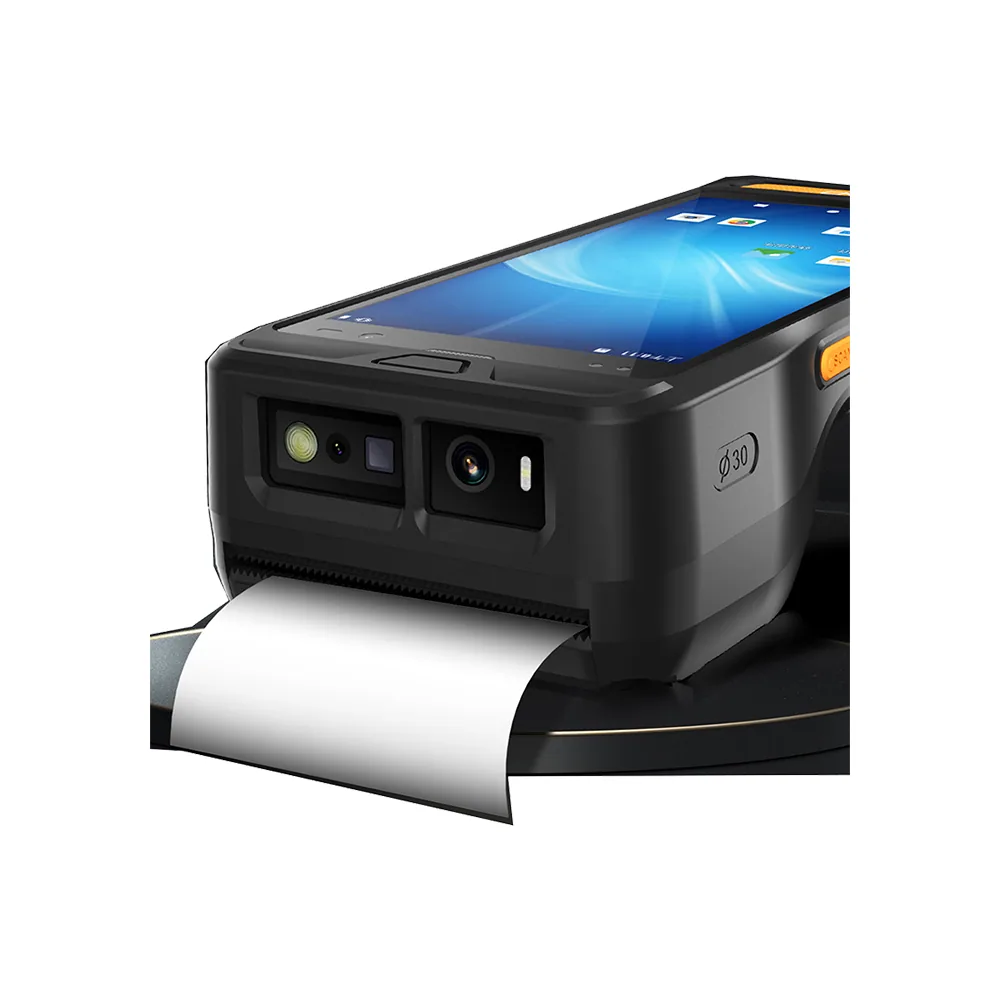
Explore R860-S Handheld Printer display integration. Review enclosure, touch and interface requirements for your project.
Open record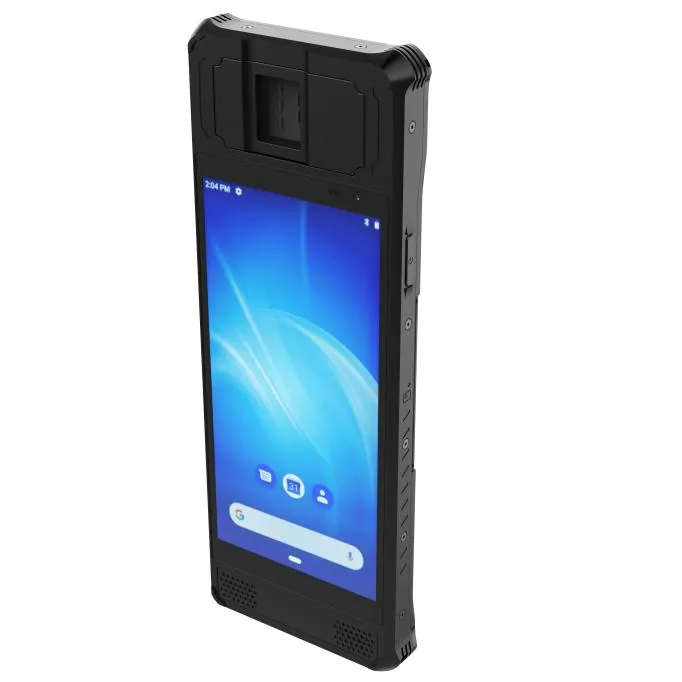
Explore RF60 Biometric Terminal display integration with a published 6.0″ display. Review enclosure, touch and interface requirements for your project.
Open record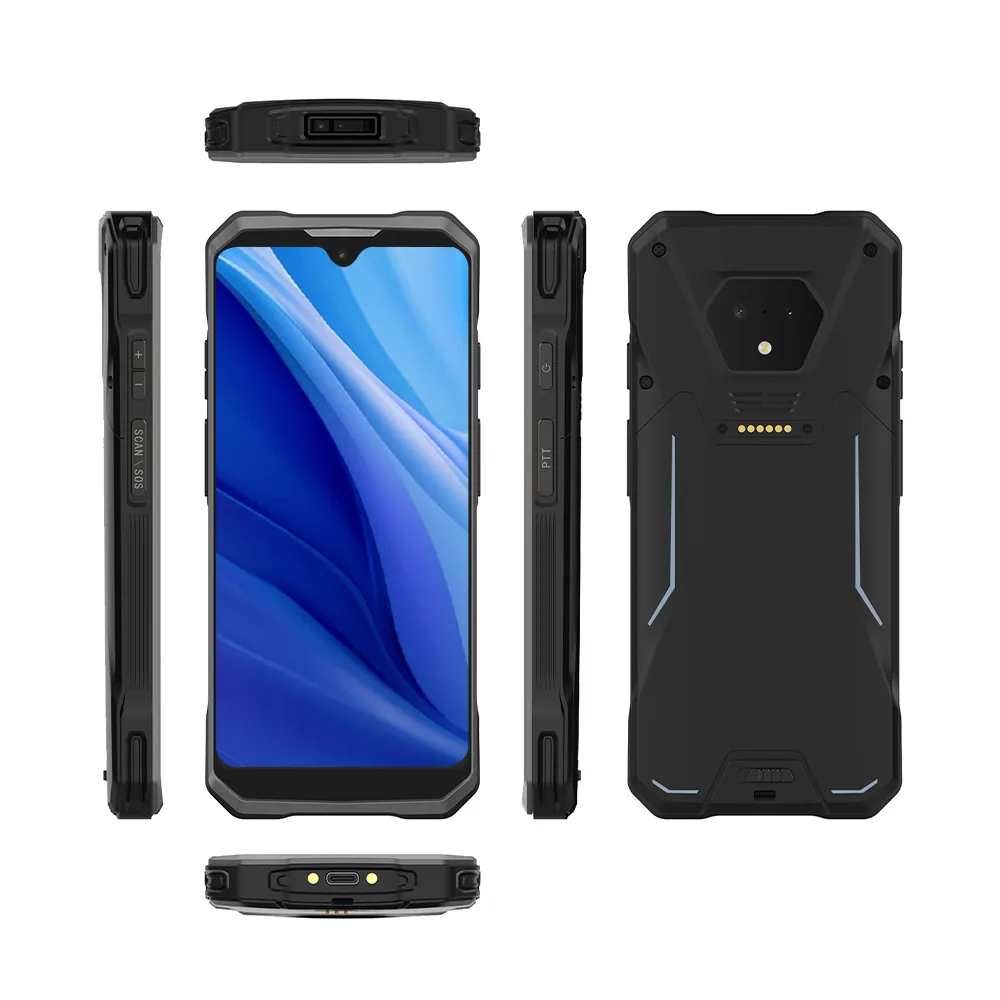
Explore RS50 Handheld Terminal display integration with a published 6.3″ display. Review enclosure, touch and interface requirements for your project.
Open record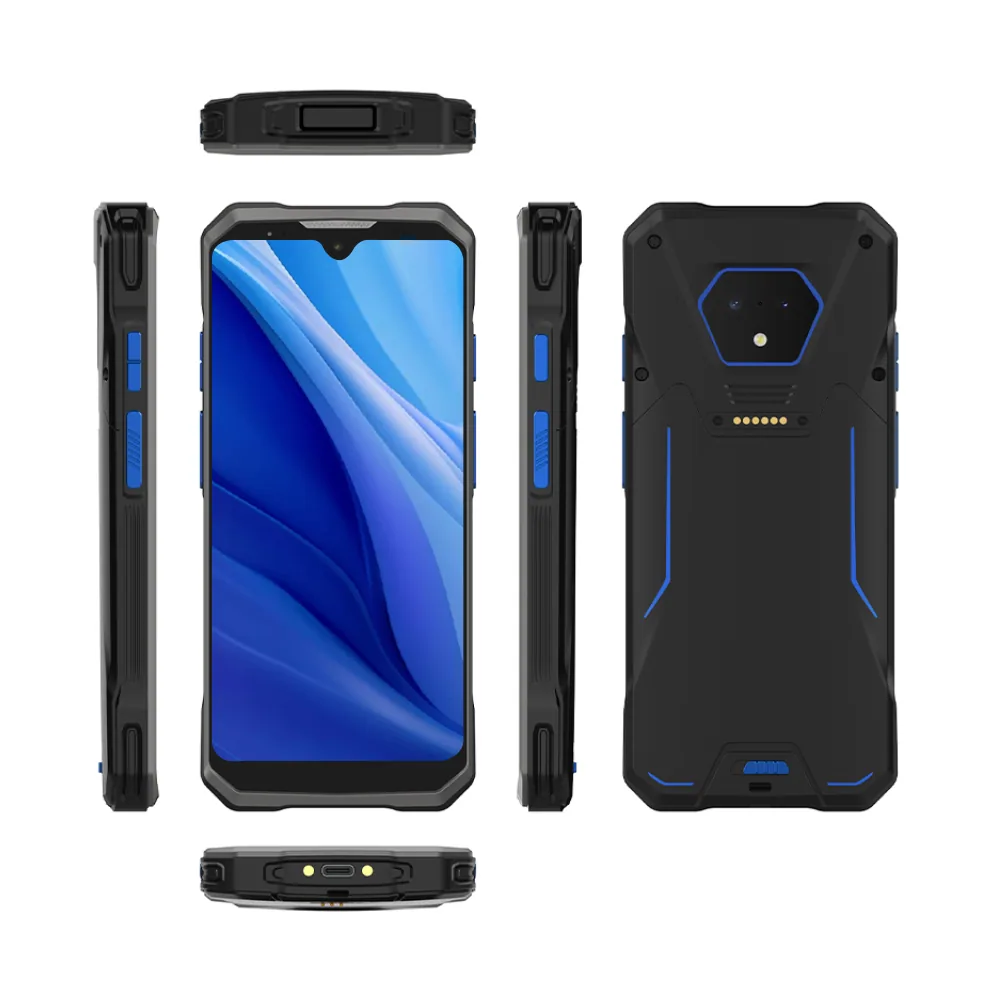
Explore RS51 Handheld Terminal display integration with a published 6.3" display. Review enclosure, touch and interface requirements for your project.
Open record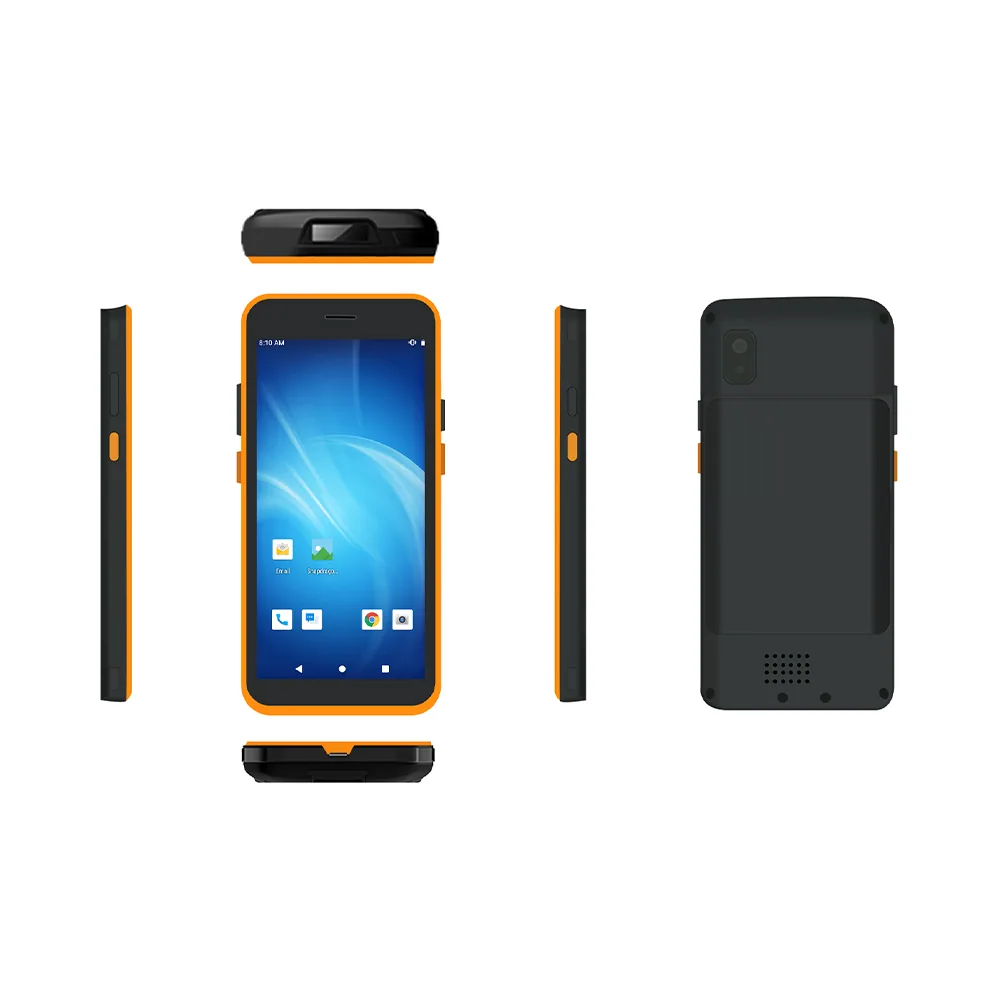
Explore RS60 Handheld Terminal display integration with a published 5.5″ display. Review enclosure, touch and interface requirements for your project.
Open recordFor handheld mobile terminals, begin with the requirements above and the actual host enclosure. A reference device or a display-family listing helps narrow the discussion, but does not establish an interchangeable module or a qualified final assembly.
Bring the target screen layout, available enclosure dimensions, host-board interface and intended operating conditions. Separate fixed constraints from preferences so the review can identify which published modules need a closer drawing and electrical comparison.
Test the selected sample with the intended UI, front surface, power supply and touch configuration. Record the exact drawing revision and test conditions, including unresolved requirements, before approving the next project stage.
Interface compatibility checklist · Drawing and touch integration checklist
Share the target size, resolution, interface, touch, brightness, environment, quantity and project stage.